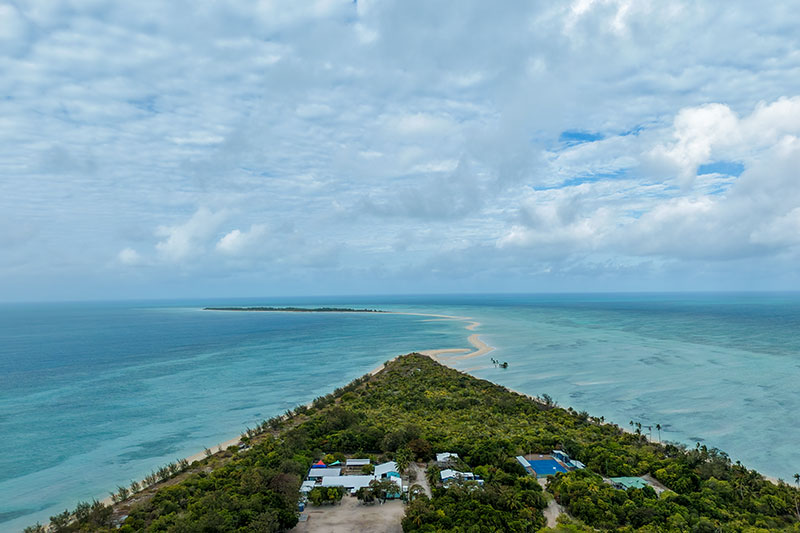
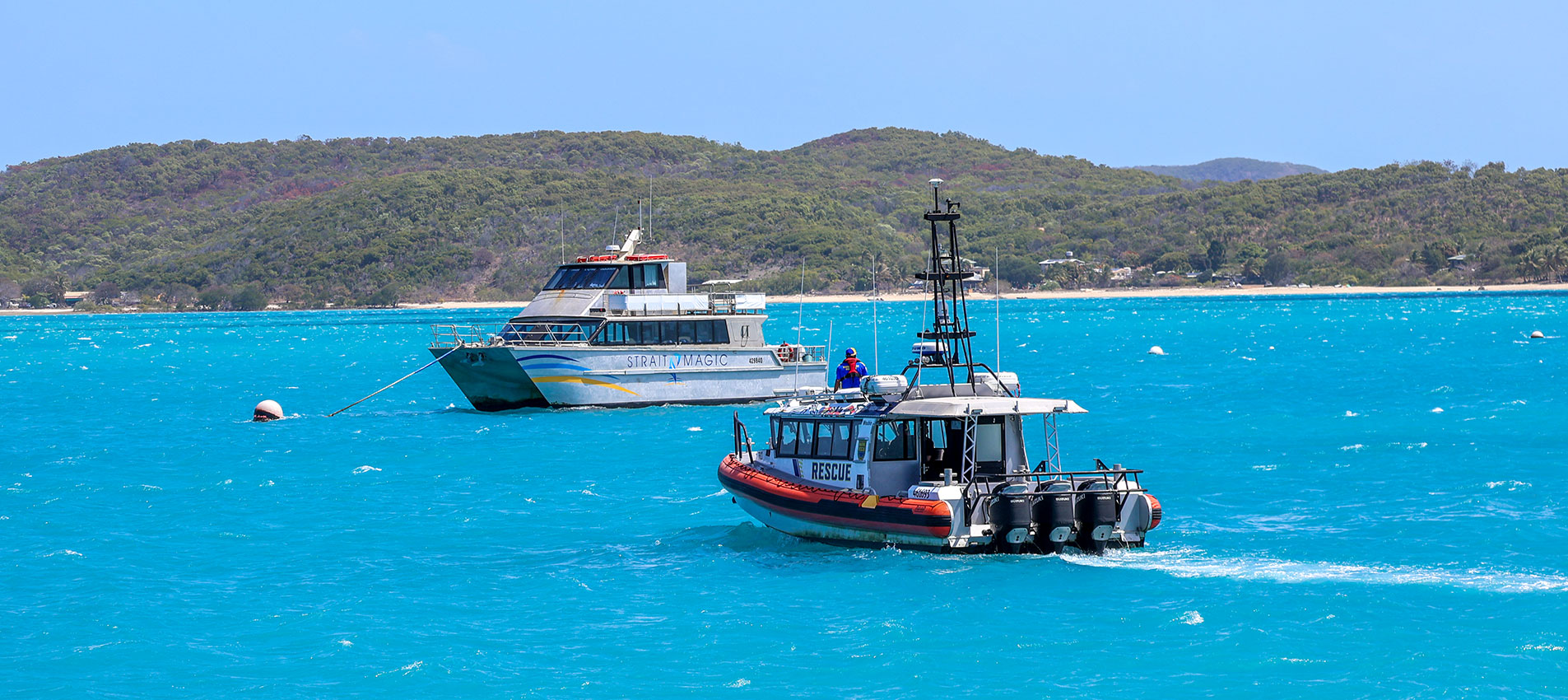
The volunteers, communities and local knowledge at the heart of marine rescue in the Torres Strait have been in focus during a visit to the region by Marine Rescue Queensland (MRQ) Chief Officer Tony Wulff.
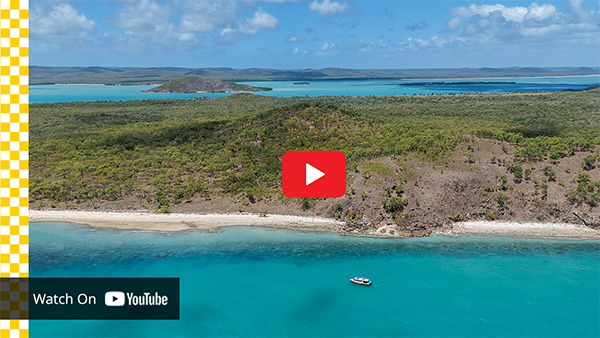
Mr Wulff spent several days travelling across the Torres Strait, meeting volunteers, community members and partner agencies, and visiting MRQ units to learn more about the people and communities they serve. During this trip, he was joined by MRQ Regional Coordinator, Kye Yeabsley, and Assistant Regional Coordinator, Ian ‘Rossco’ Tindall.
The Torres Strait is home to four MRQ units — MRQ Thursday Island, MRQ Masig Island, MRQ Kubin and MRQ St Paul’s. Together, their volunteers help provide a vital marine rescue capability across a vast area where the water is not simply a place for recreation, but an essential part of everyday life.
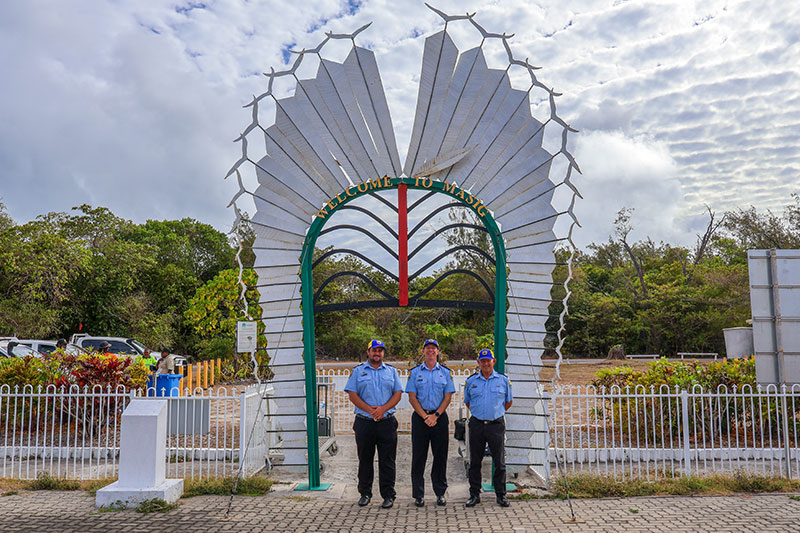
Mr Wulff said the visit reinforced just how different marine rescue operations in the Torres Strait could be compared with other parts of Queensland.
“The tyranny of distance is very real here. Our volunteers operate across a vast area, in remote communities and in waterways where tides, currents and weather can create incredibly challenging conditions,” Mr Wulff said.
“This is where two oceans meet, and the environment can change quickly. Delivering an effective marine rescue service here means having the right people, assets and support in the right places.
“But equally important is recognising that the people of the Torres Strait have an extraordinary knowledge of these waterways, built over thousands of years and handed down through generations.
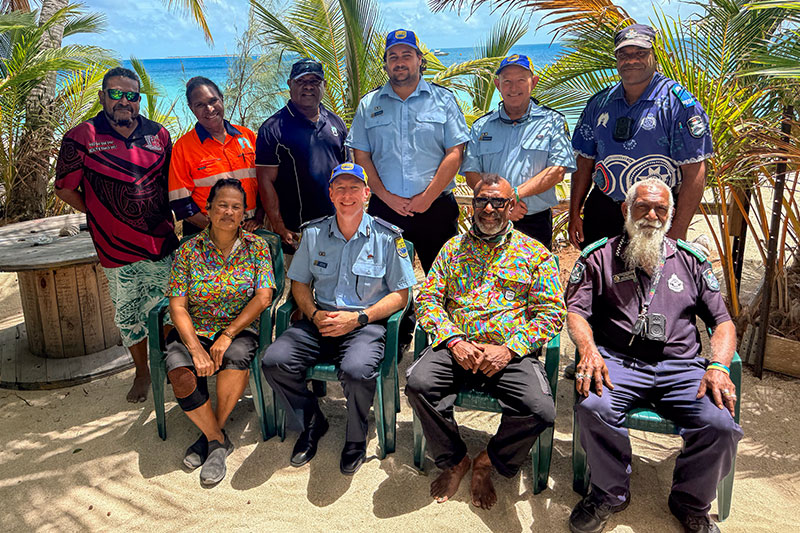
“That local and cultural knowledge is incredibly important to how we support communities, save lives and keep people safe on the water.”
The Torres Strait’s waterways are often described locally as the “Blue Highway”, connecting island communities and supporting fishing, tourism, commerce and everyday travel.
The region also sees around 3,000 commercial shipping movements each year, while local vessels, ferries, recreational boaties and visitors regularly navigate waters stretching north towards Papua New Guinea.
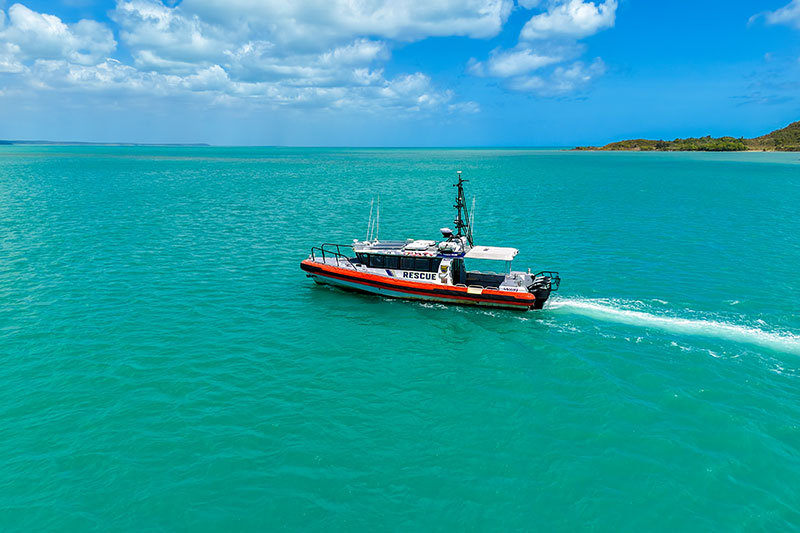
The region presents conditions unlike almost anywhere else in Queensland, including complex tidal streams influenced by the meeting of the Arafura and Coral seas.
Those conditions, combined with the scale and remoteness of the region, mean strong relationships between MRQ, local communities and partner agencies are critical.
During the visit, Mr Wulff spent time face-to-face with volunteers and community members to better understand their needs and the practical challenges of delivering marine rescue services in the region.
He said those conversations were essential to ensuring MRQ could support communities in a way that was respectful, practical and appropriate to local circumstances.
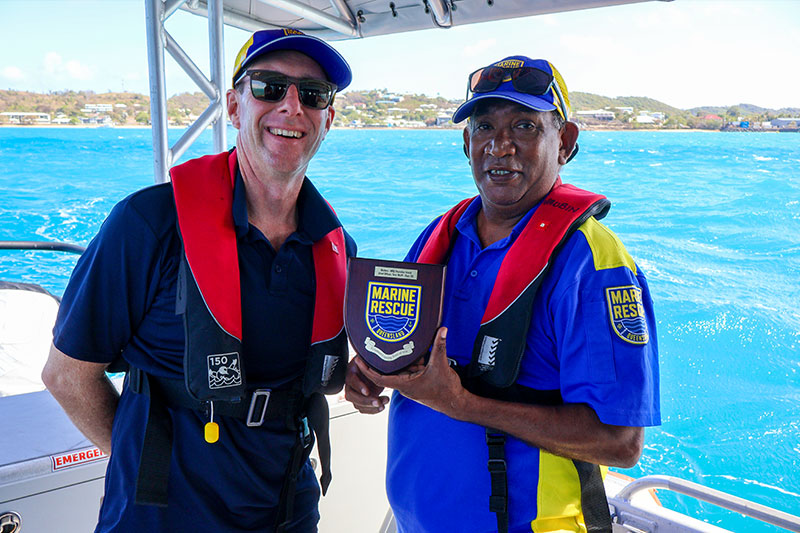
The visit also provided an opportunity to highlight the strong cultural connection between Torres Strait Islander communities and the sea, and the role traditional knowledge continues to play in understanding local waterways, weather and seasonal conditions.
“The people here are amazing. Everywhere you go, you are welcomed with a smile and there is always something to learn,” Mr Wulff said.
“I love listening to the stories and learning about the cultures here. Every time I visit, I come away with a greater appreciation for this remarkable part of Queensland and the people who call it home.”
MRQ extends a special thank you to the volunteers and communities of MRQ Thursday Island and MRQ Masig for their warm welcome during the visit, as well as the volunteers across MRQ Kubin and MRQ St Pauls who continue to serve their communities.